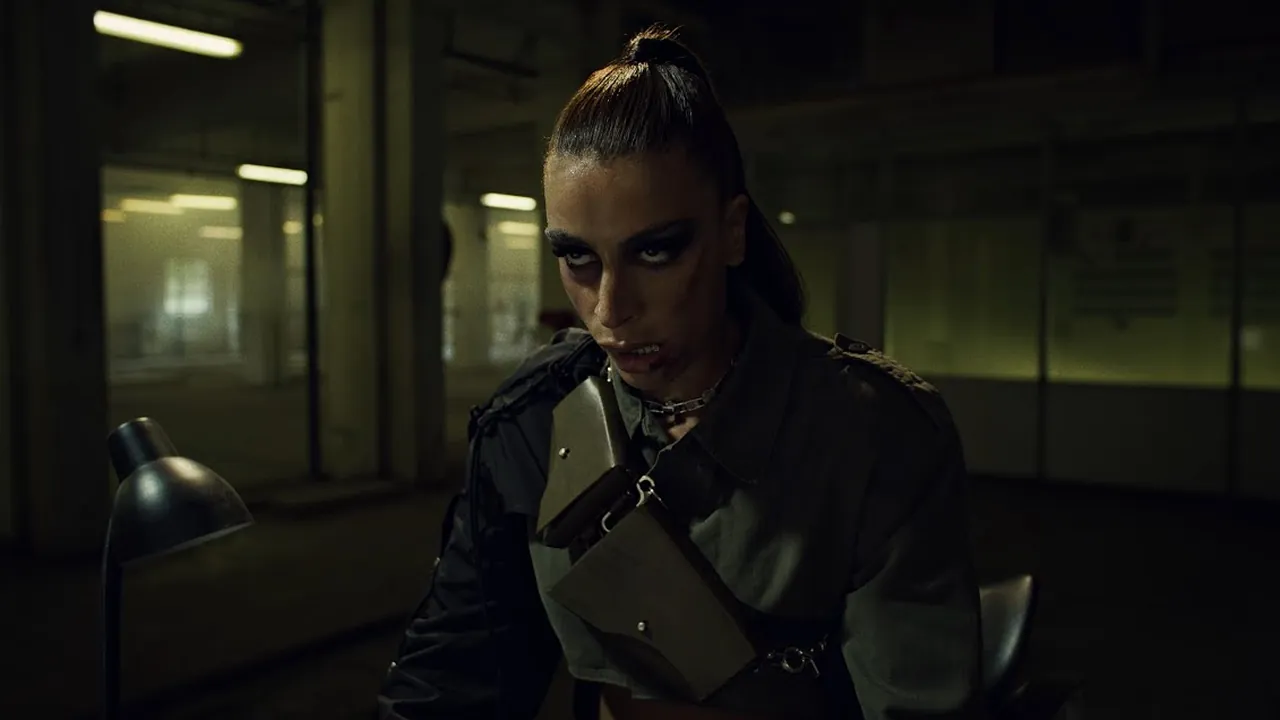
A short film offering a critical view of how Western culture looks at the pregnant body. Shot over three days in a house found almost by accident, each sequence stands for one part of that gaze.
Read more
The short film Homunculus was released on October 21. Below the interview with Directors Notes.
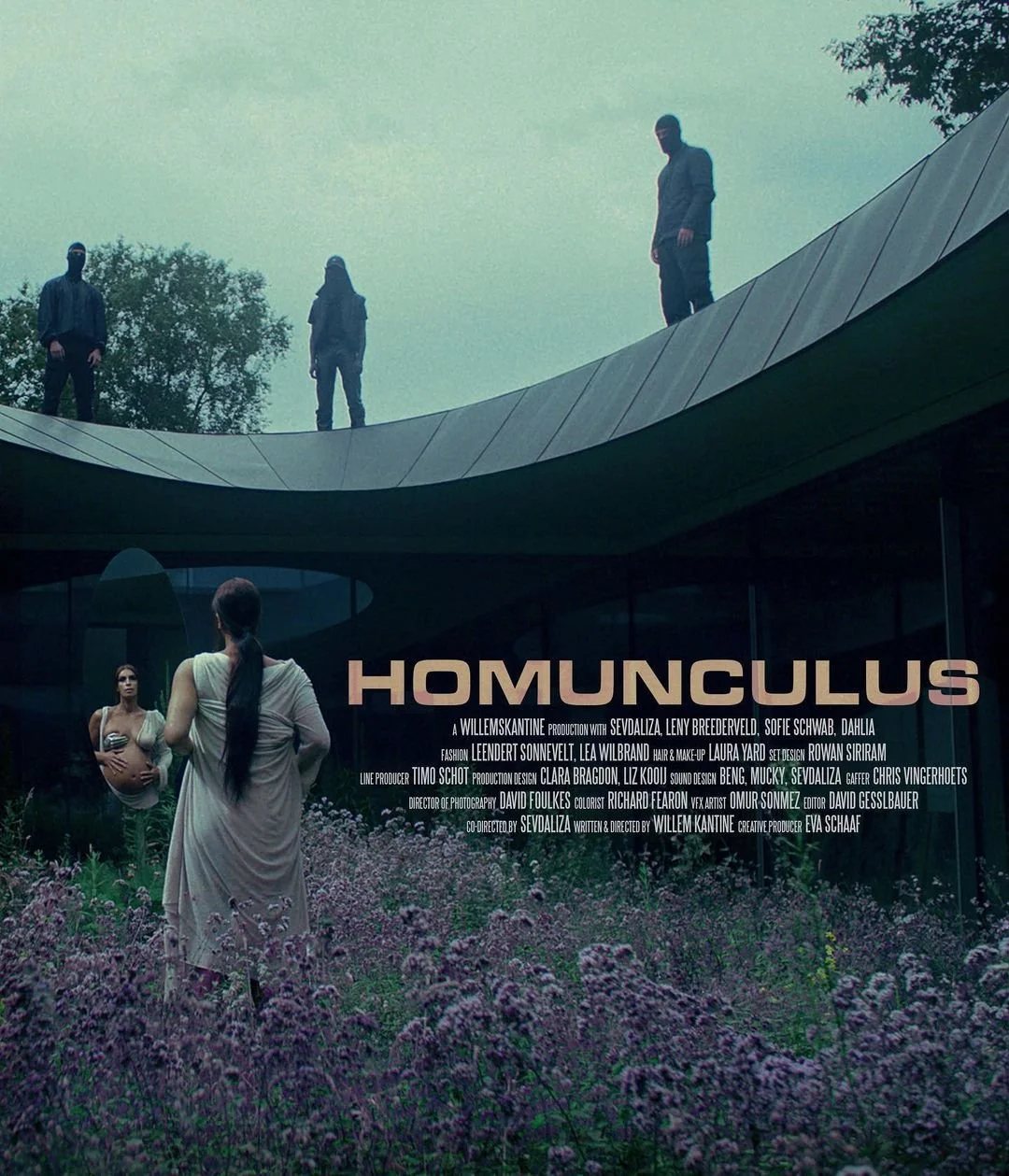
The sheer ambition on display by young Director Willem Kantine in his music video meets short film Homunculus for artist Sevdaliza is mighty impressive. Kantine takes an action-centric narrative and twists it on its head, applying a critical eye to the representation of pregnant women in western society. Sevdaliza stars in the video as a pregnant spy who continues her work before being approached by a group of masked men. From then on, she’s on the run, and through various scenarios, we witness the strains this secretive life has on her wellbeing.
Kantine and DoP David Foulkes capture the set pieces of the film through distinctively cinematic cinematography with Sevdaliza showcasing her star quality through a withdrawn yet conflicted performance. DN caught up with Kantine to talk about the film’s critical perspective on representations of pregnancy in addition to the challenges he and his crew had to create a blockbuster-level production on a tight budget.
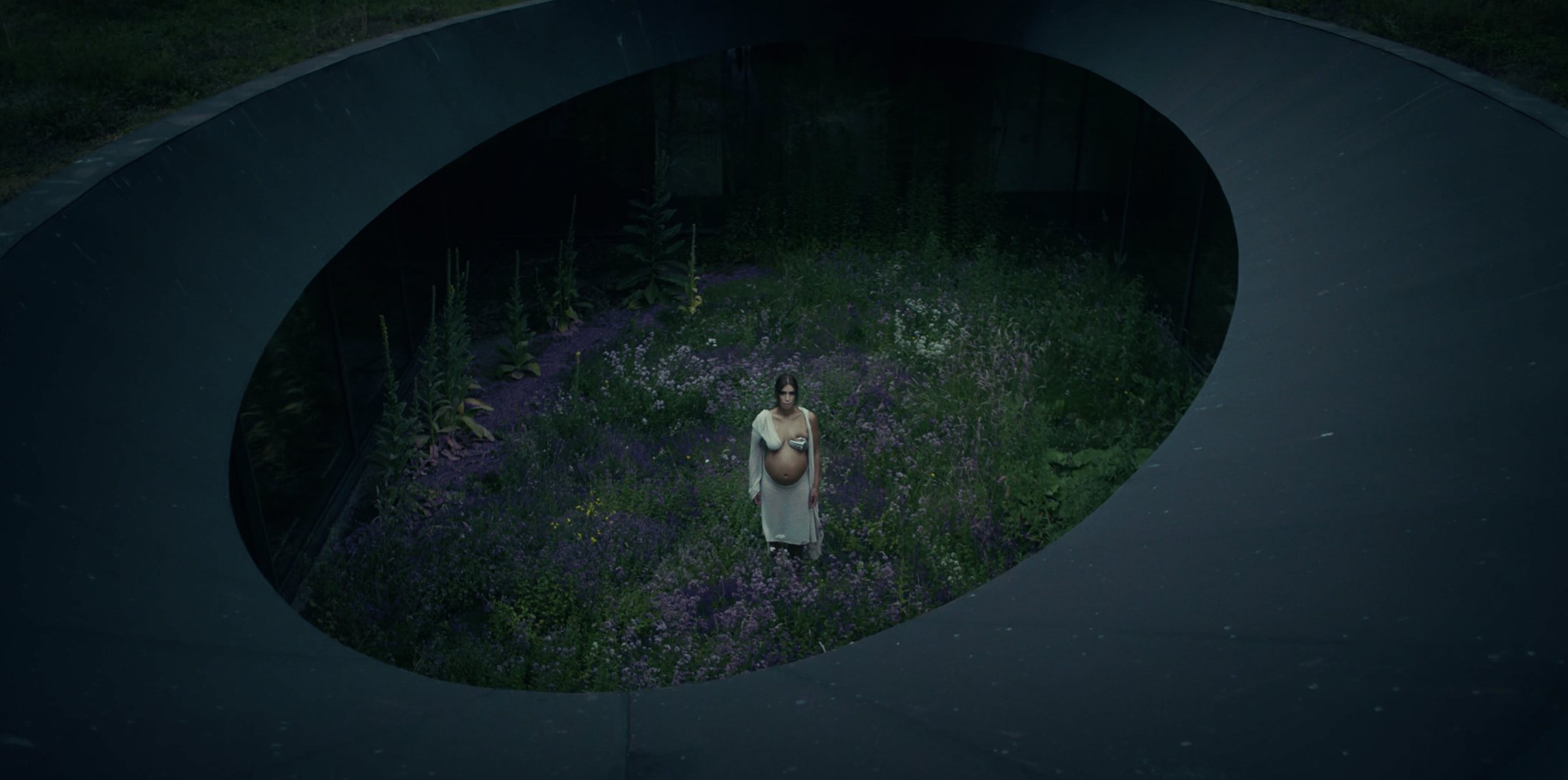
The short film Homunculus offers a critical view of the position of the pregnant woman in Western society. When women are pregnant, they are constantly inundated with prejudices and expectations. It seems generally accepted that society may suddenly have a saying on how you should behave, what you can and cannot eat, how you should raise your child in the future. Once you are pregnant, people stop meddling in their own affairs. Your business has also become their business, you are having a child after all.
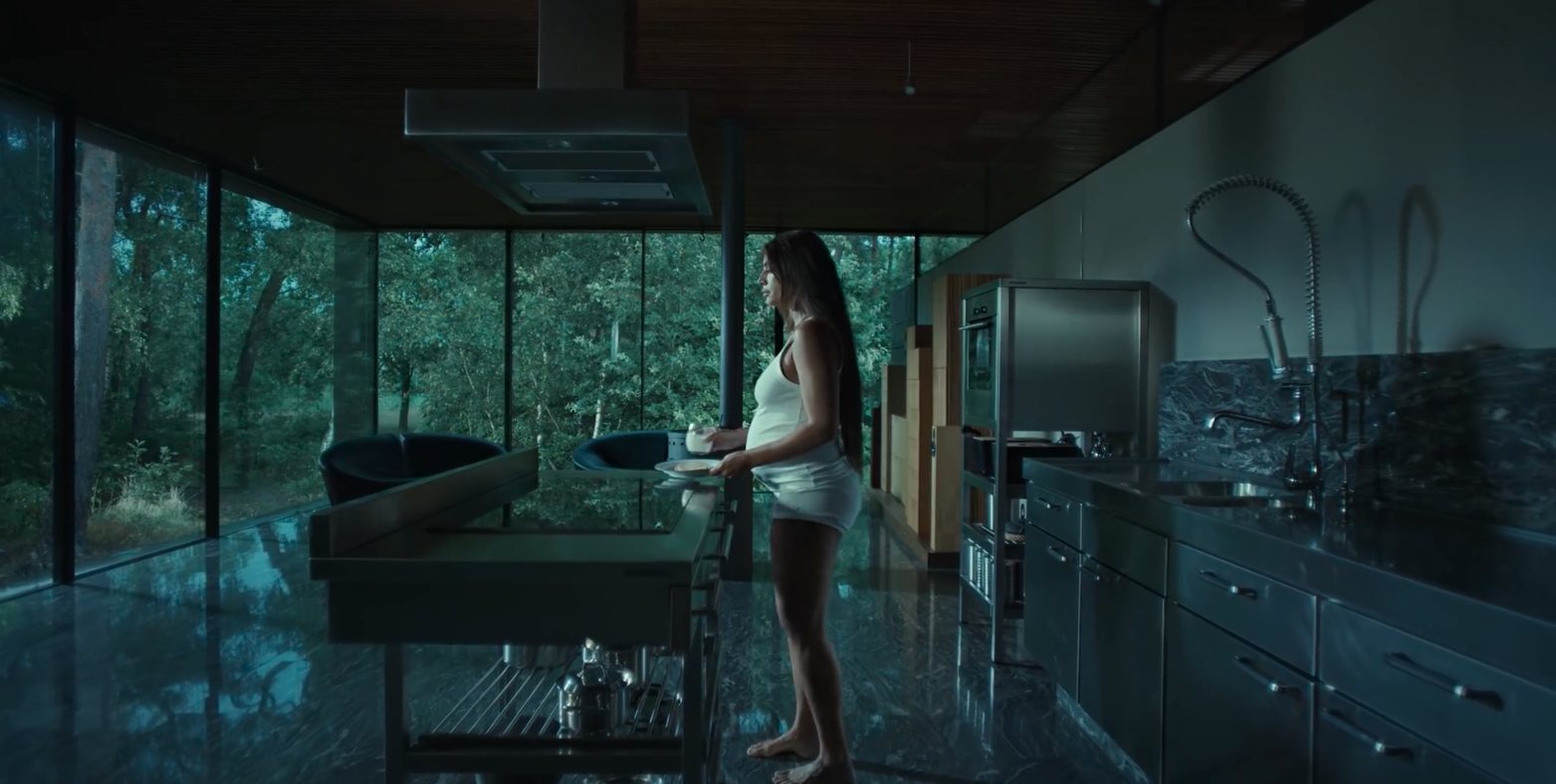
Western culture permits a pregnant woman to be publicly commented on her appearance and given unsolicited advice in order to regulate her behavior. The social obsession with pregnancy is simply another attempt to control the female body. Renee Cramer accurately describes it in Pregnant With the Stars: "The pregnant female body has gone from being an embarrassing reminder that women had sex and therefore the private state of being to being considered public property of regulation and commercial property to be celebrated as sexy."
Pregnancy also appears to be a hyper concept in the visual world, in which the media have made pregnancy into something visually attractive. A sensual photo of a proud, naked woman with a big belly on the cover of a magazine returns regularly. Pregnancy has become something to show off with but within the standards of an idealistic beauty image. Since we have admitted pregnancy as an object, it has become a social instrument to achieve the regulation of the female body.
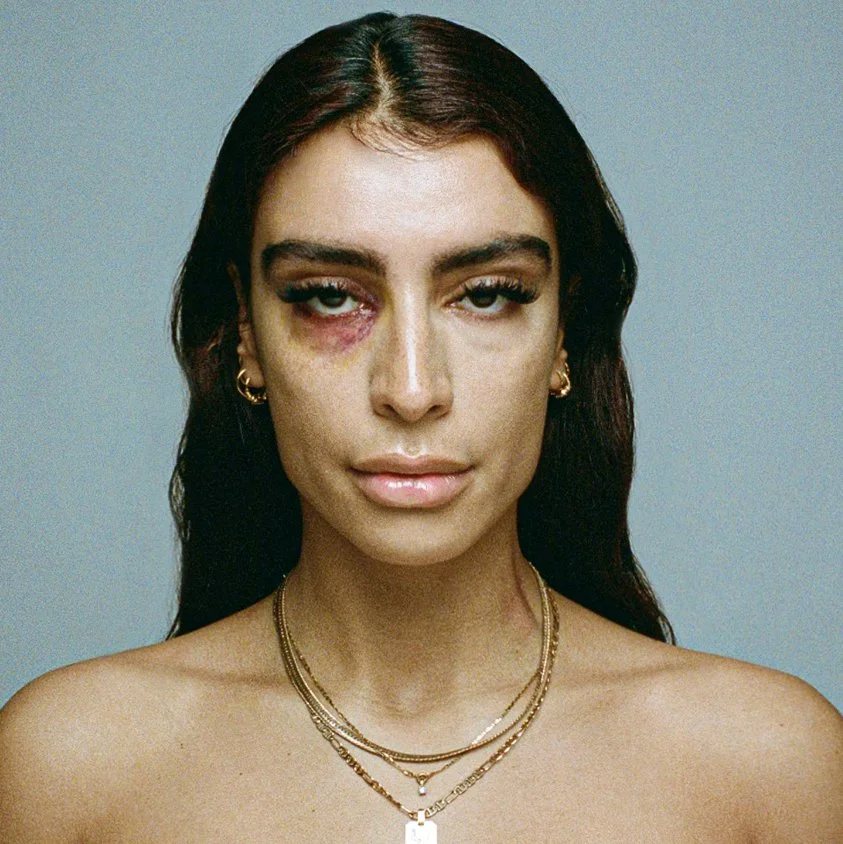
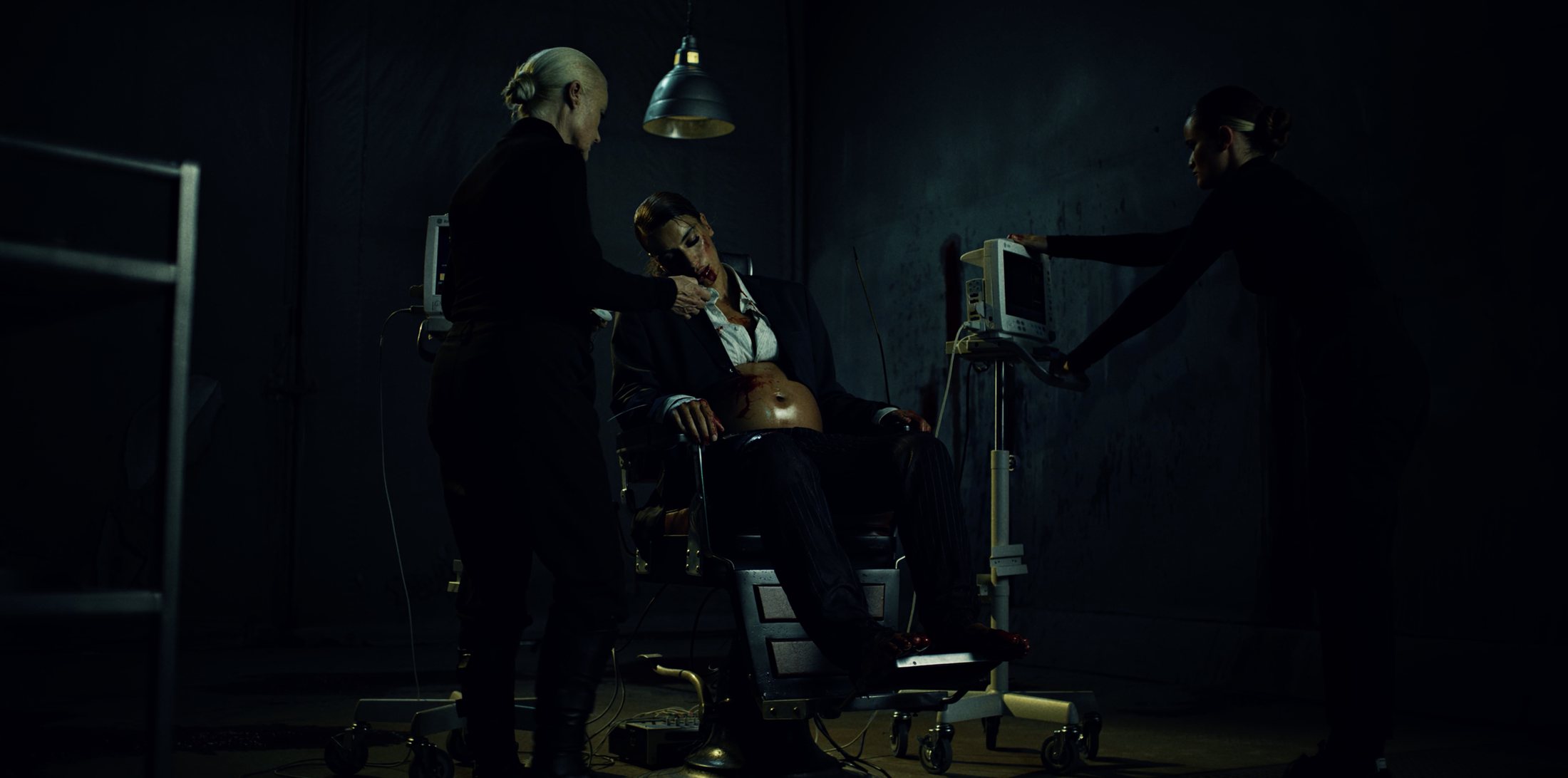
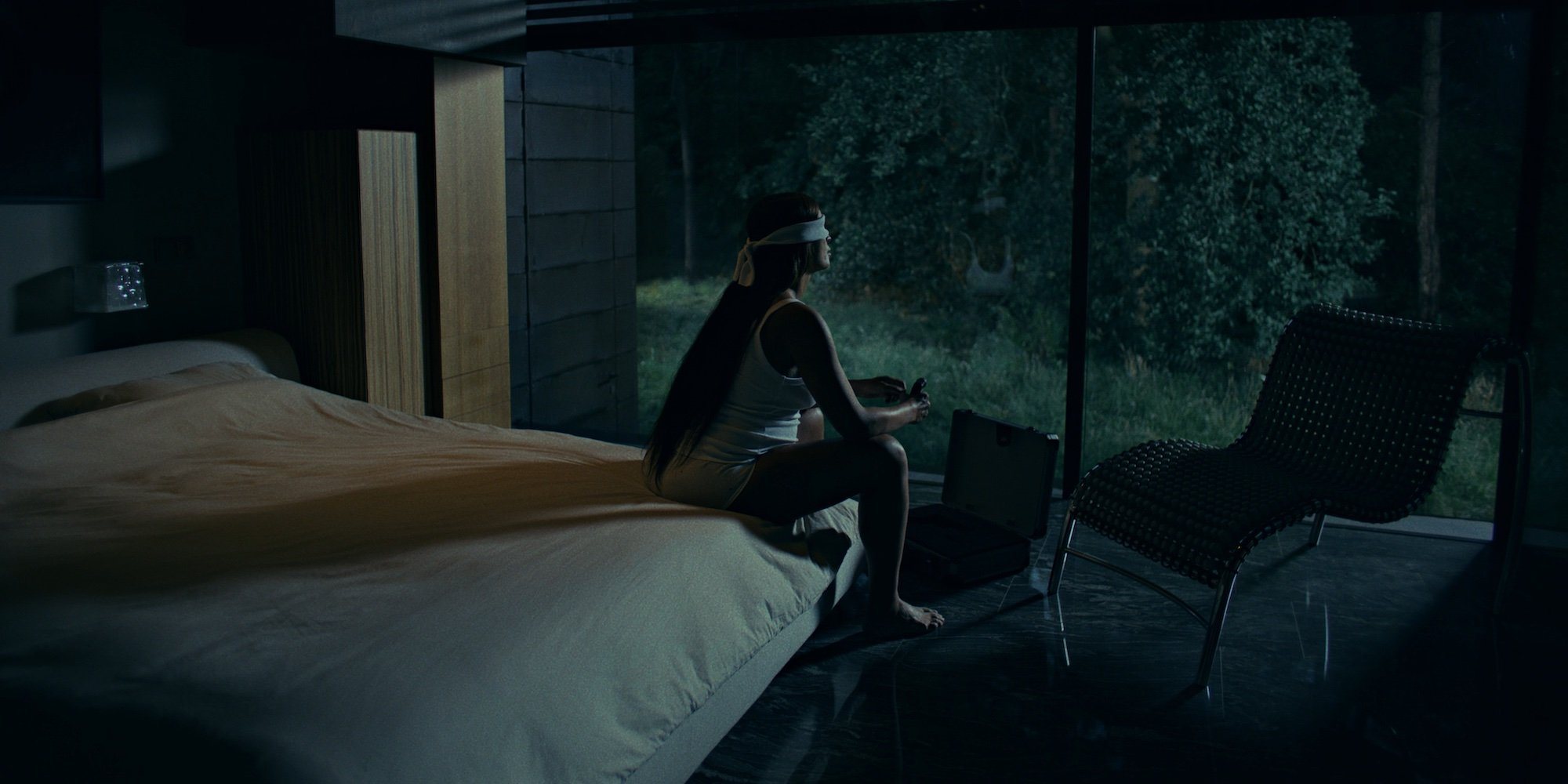
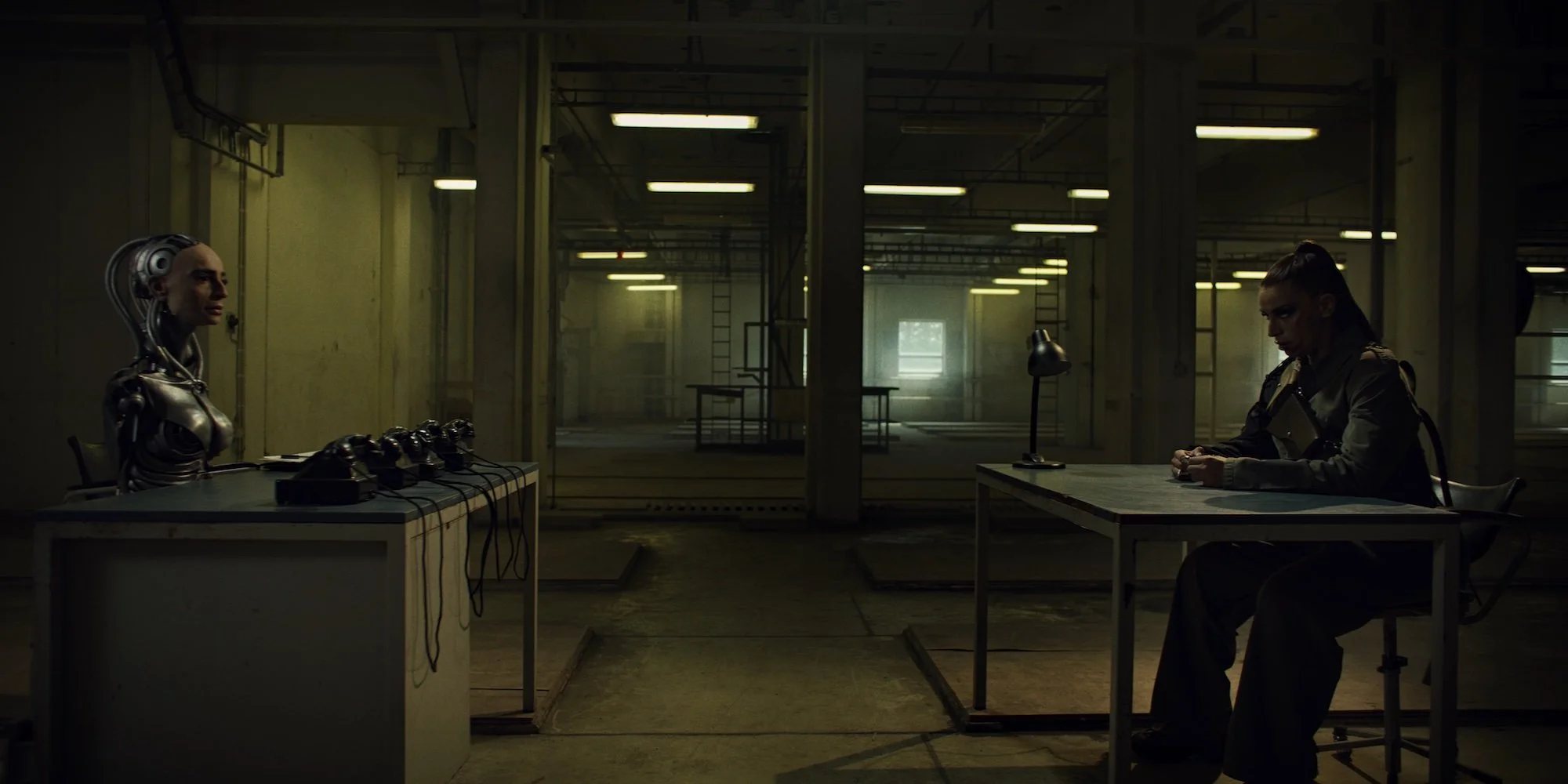
Homunculus is the counter-reaction to this phenomenon. Sevdaliza's pregnancy is not used as a visual object to be enjoyed. On the contrary, the story shows actions in which she pushes through her own identity, by being everything she should not be as a pregnant woman. You may find yourself judging her in her role. Should a woman be carrying a life-threatening weapon with her? Shouldn't she stop her work as a spy now that she's pregnant? Earth Tones shows the agency she still carries, even now that she is responsible for a different life. In this way, this short film is the opposite of a culture that systematically demands access to the female body.
This project highlights a special collaboration, “We met each other a year and a half ago and immediately found artistic chemistry. We’ve worked on several projects, in which I first acted as art director and later as director/photographer. her work, like Sevdaliza's music, is outspoken, honest, provocative, innovative, and symbolic. Sevda and I find common ground in always striving to make something that transcends the ordinary, resulting in poetic and high-quality visuals.
The short film offers a critical view of the position of the pregnant woman in Western society too. Something that I, a 23-year-old who identifies as a male would never know the true feeling of, but through extensive talks with Sevdaliza and Creative Producer Eva Schaaf was able to further investigate. When women are pregnant, they are constantly inundated with prejudices and expectations. It seems generally accepted that society may suddenly have a say in how you should behave, what you can and cannot eat, and how you should raise your child in the future. Once you are pregnant, people stop meddling in their own affairs. Your business has also become their business, you are having a child after all.
The house itself is quite the setting. How did you source it?
After an intensive search for the right location, we kind of by accident found the ultimate gem. Hidden at the location we were visiting there was a half-constructed submerged villa. The owners were still shaping the building, which they referred to as a ‘rabbit hole’, which seemed quite appropriate and metaphorical to our script. The location of the home was in the middle of its own forest area and the atmosphere felt like a dream. Every time we visited the place, we would be surrounded by rabbits and other animals as the place is so well respected and quiet in the favour of the flora and fauna. Truly a unique experience to shoot there.
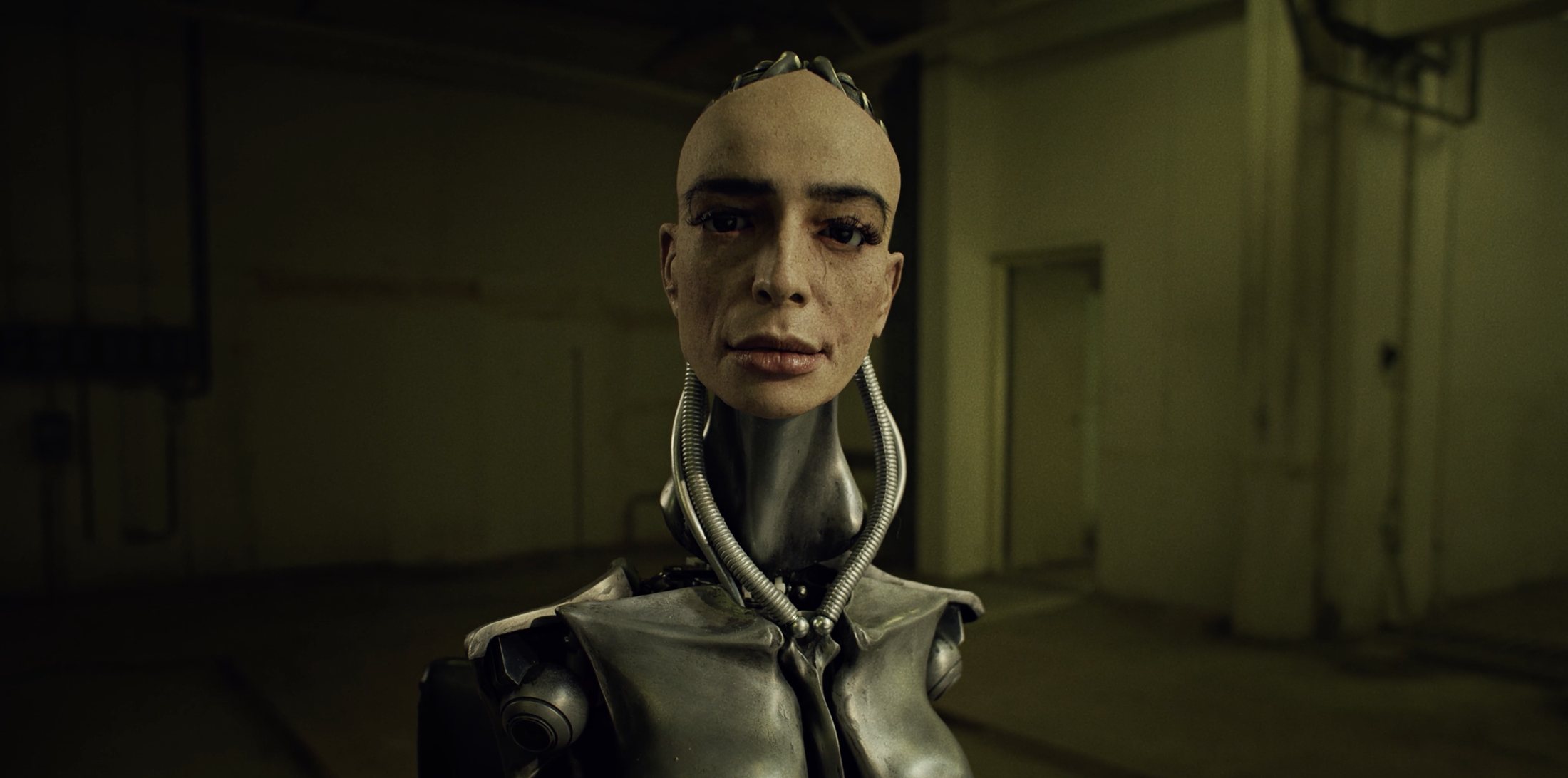
There are several key sequences throughout the video as Sevdaliza’s character attempts to escape her life as a spy, what do they each symbolise to you?
Each scene correlates to a piece of this phenomenon, all of them symbolise a certain characteristic. In preparation for this interview I wrote a couple of them out, but given the fact that people in the comment section have been so freely creative with their interpretation of the visuals I’ll refrain from sharing this for the sake of the viewers’ own interpretation. On a broader scale, it shows Sevda moving away from her life as a spy, an enlargement of the familiar ‘crossroad’ scenario we put soon-to-be mothers on. As if a woman can only be one thing, and never live in a twilight duality if they choose to be ‘different’. Something that strangely correlates with the life of a spy minus the aspect of really being judged by society.
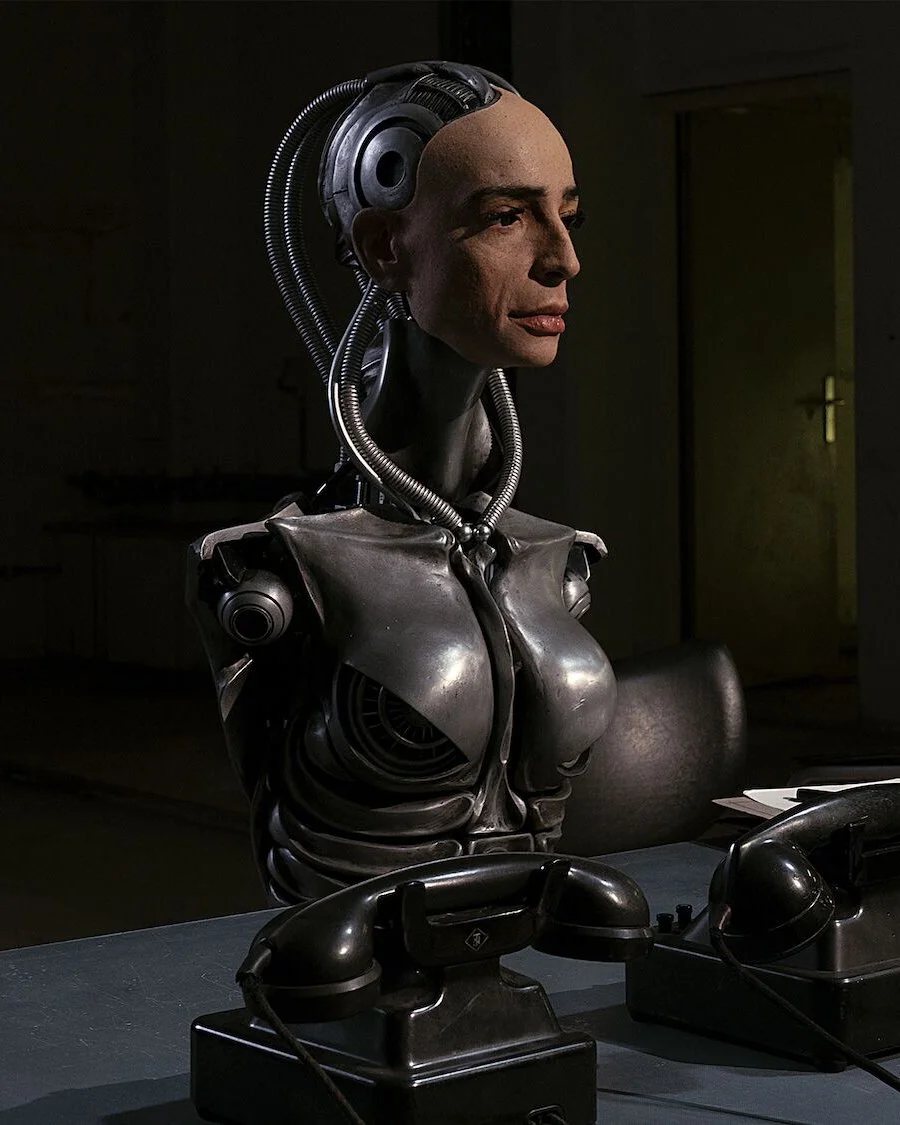
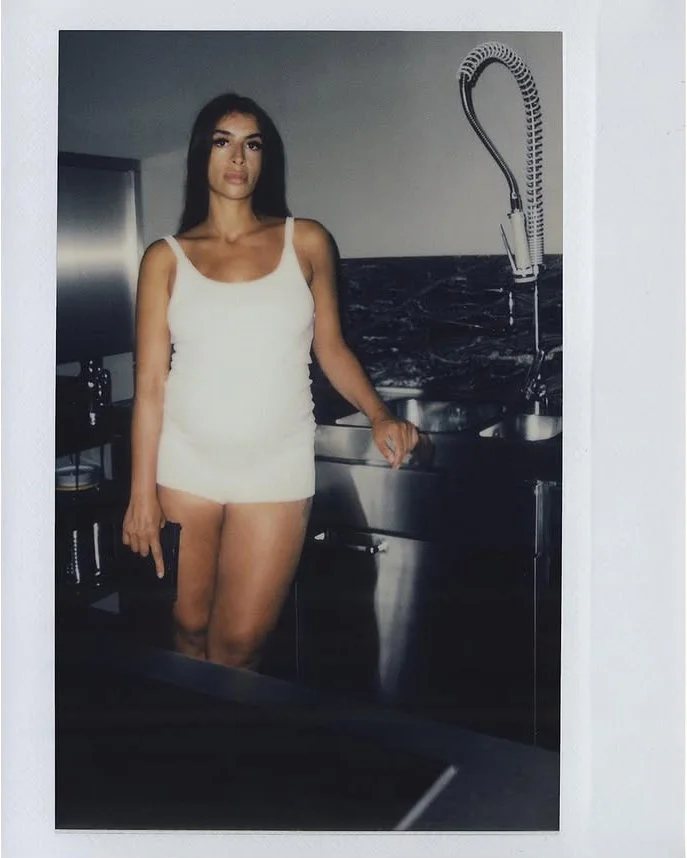
In terms of the production value for the video, it’s incredibly ambitious. What were your crew able to do to allow you to bring your vision to fruition?
In total, we had a three-day shooting schedule with an extra day for the car shots with a second unit. We worked with an extremely tight budget, our Director of Photography David Foulkes went above and beyond with the grip team to create makeshift cranes and other elements that uplifted the movie but kept the costs workable.
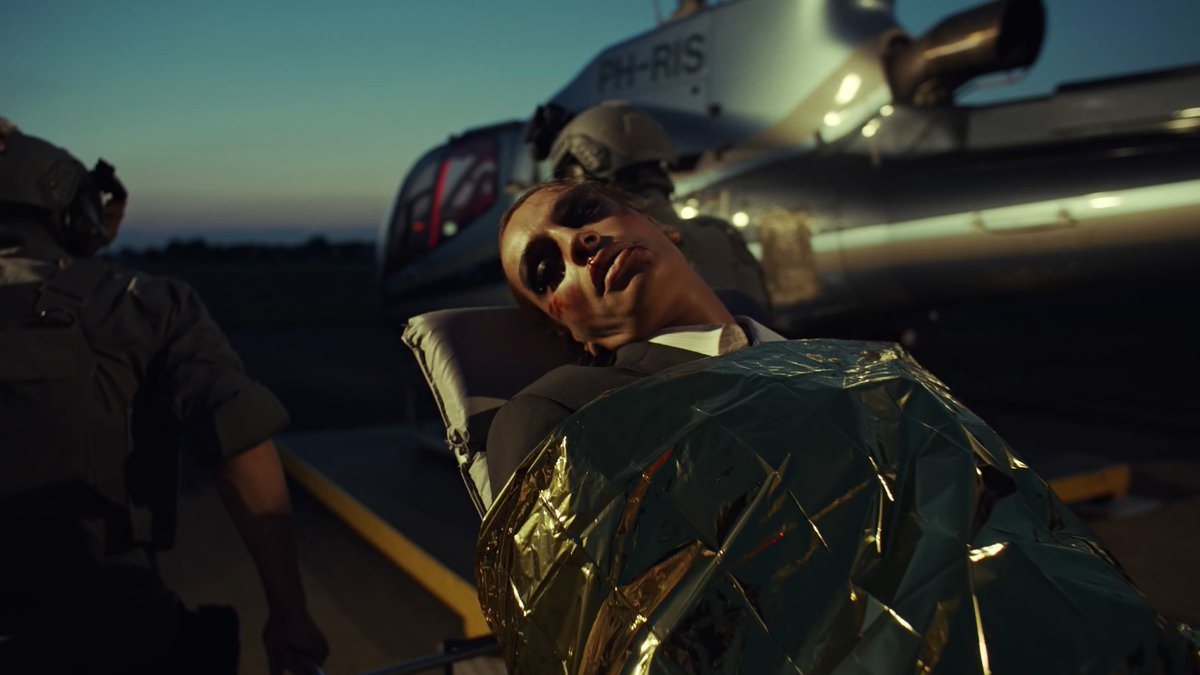
Another crew member, Editor David Gesslbauer, was on board after I emailed him at one o’clock in the morning to ask him to join the project, he answered me the following morning, with the words “I jumped up from my seat when I read the title of the email” he later disclosed that he read it while working late at night on another project. David Gesslbauer and I spend three days in his studio in Berlin to put all the puzzle pieces in the right order.
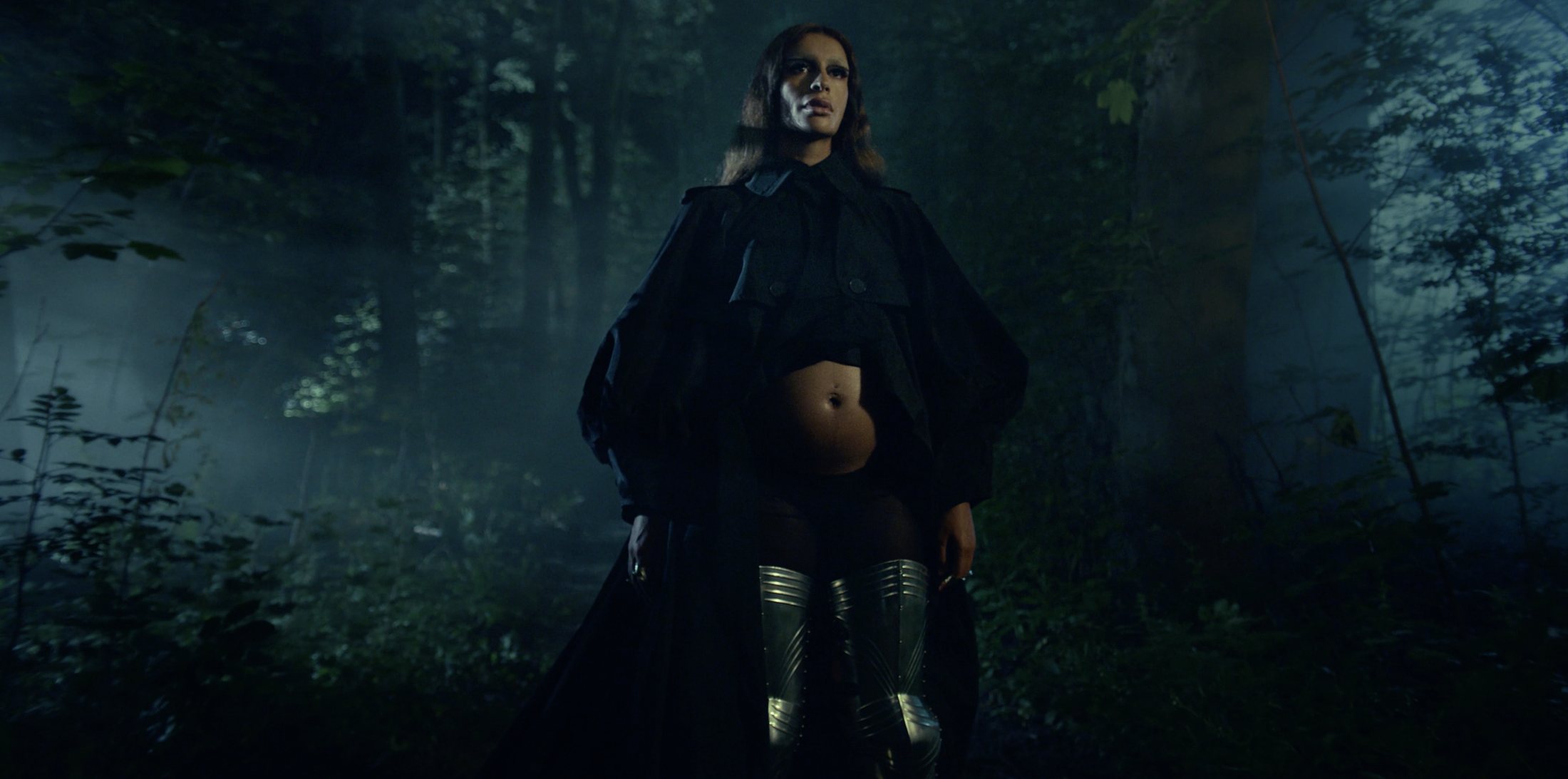
You’re still very much in your early years as a director, what does working on a project of this scale teach you?
Myself being a novice in the game meant that the people around me played a huge aspect in building further on the plethora of my own ideas. I think every creator, in any shape or form, can find themselves in the feeling that some processes almost feel spiritual.
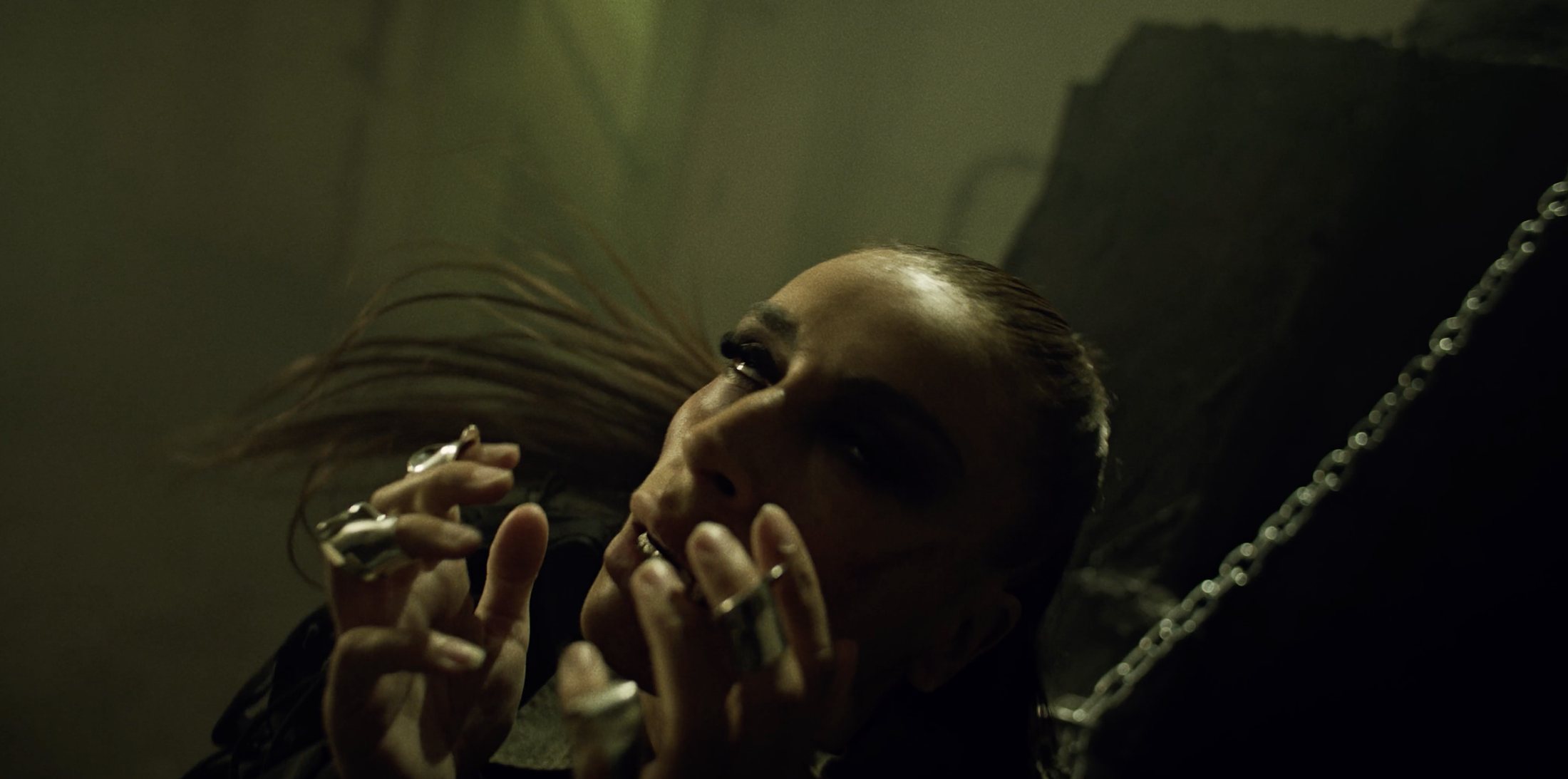
On the first day we shot the rave scene, a scene that had to carry a tremendous amount of weight, it was after all the final scene of the project. Although in the pre-production phase we didn’t give it that much energy. After all, we were dealing with getting an actual helicopter. I found that this would be one of the more challenging scenes in terms of choreography and feeling. It took half a day and a lot of takes to get it just right. It’s weird how a scene with a giant black rock and a dancing artist was the most challenging aspect of the monster production.